
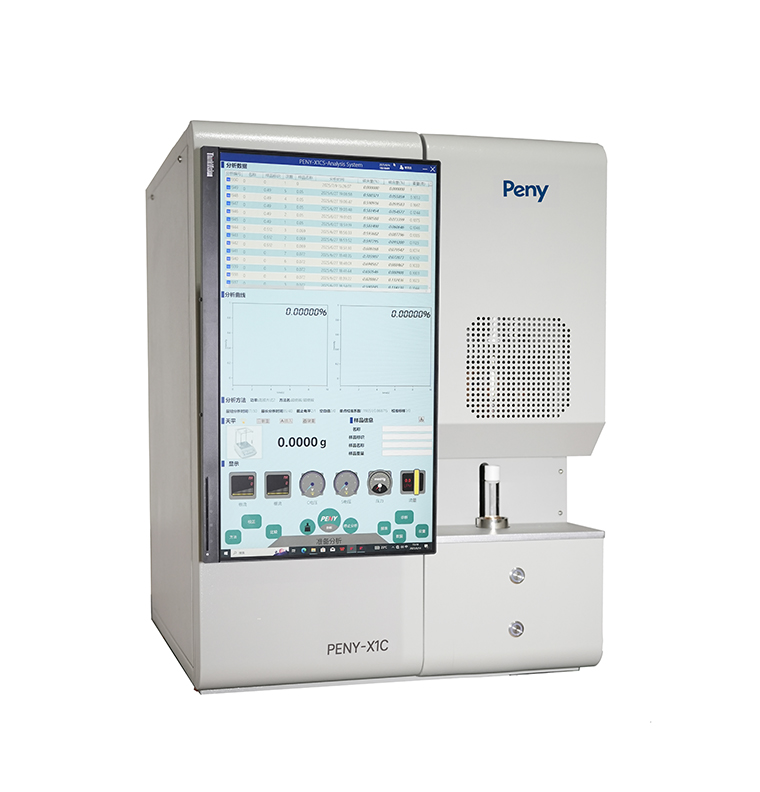
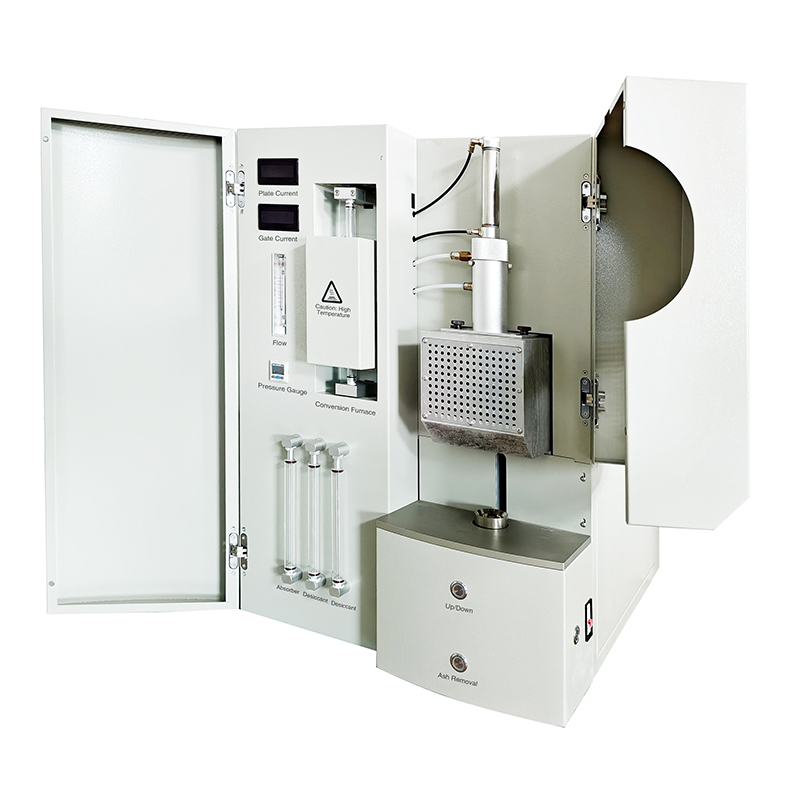
- Peny
- China
- 30 days
- Annual production of 50-70 units
1. Constant-temperature infrared detection cell reduces interference from external temperature changes.
2. Pulse-modulated infrared light source eliminates the chopper motor and blade, reducing mechanical wear and frequency error.
3. Electronic mass-flow control precisely regulates the analytical gas flow.
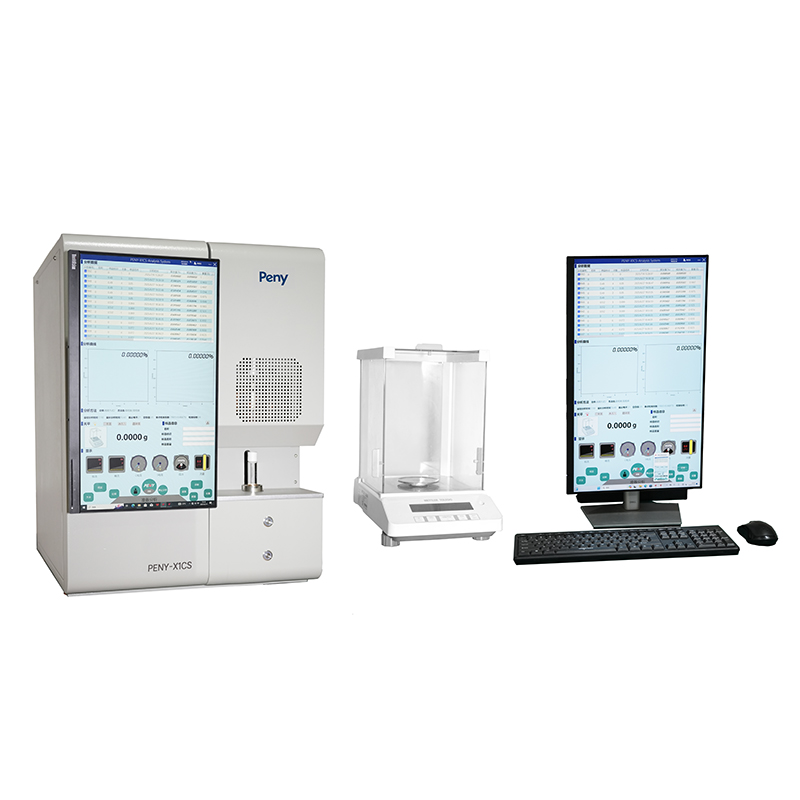
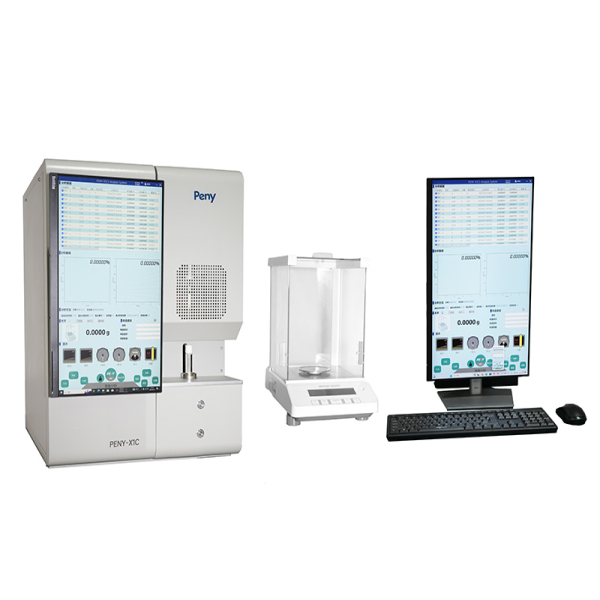
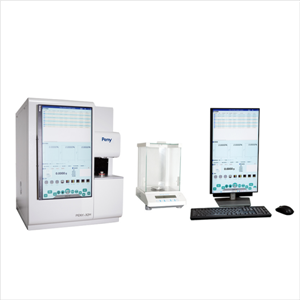
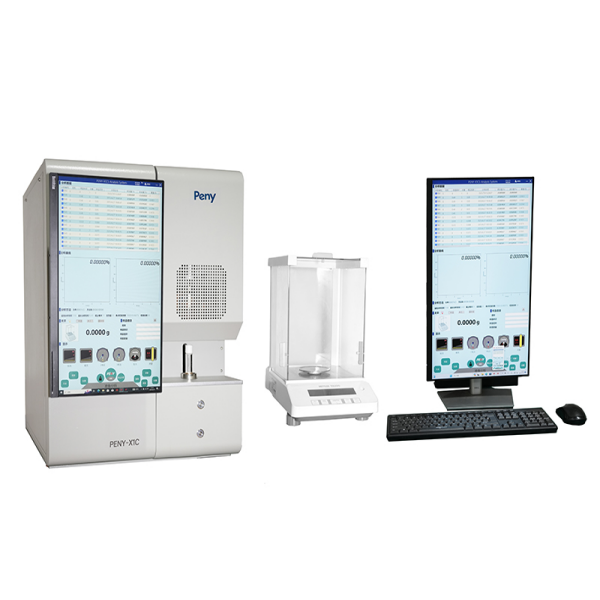
4. Integrated system design combines the host machine, balance, computer and analysis software.
Product Introduction

Unstable analytical conditions can make carbon measurement results less consistent. Temperature fluctuations, unstable gas flow, and mechanical components in the detection system can introduce variations during analysis. For laboratories performing routine material inspection and quality control, inconsistent results can increase the need for repeated measurements and result verification.
Our Solution:
The PENY X1C stabilizes the key conditions that affect carbon analysis through constant-temperature infrared detection, pulse-modulated infrared light, and electronic mass-flow control.
The constant-temperature infrared detection cell helps reduce interference caused by changes in the external environment. The pulse-modulated infrared light source eliminates the chopper motor and blade, reducing mechanical wear and frequency-related errors. The electronic mass-flow meter precisely controls the analytical gas flow to maintain stable gas conditions during measurement.
For procurement teams, this means more consistent carbon measurements for routine testing, helping laboratories reduce measurement variability and maintain reliable quality-control results. With an analysis time of 20–40 seconds and repeatability of 1 ppm or 0.5% RSD, the X1C is designed to support repeatable carbon determination across its specified analysis range.
Technical Specifications
| Parameters | Specification |
| Analysis Range |
0.0005%-15% (Changing the sample size can expand the analysis range to 100%) |
| Analysis Error | Carbon determination analyzer is applying with ISO 9556 |
| Sensitivity | 0.00001% (0.1ppm) |
| Accuracy (Repeatitiveness) | 1ppm or 0.5% RSD |
| Analysis Time | 20-40 seconds (automatic control) |
| Carrier Gas | High purity oxygen (purity 99.9%, pressure: 0.3-0.5Mpa) |
| Power Gas | Ordinary nitrogen (or compressed air, pressure: 0.3-0.5Mpa) |
| Host Machine Power Supply | 200/220/240V, 50/60 Hz, 5kVA |
| Size & Weight | 580 × 680 × 840mm [W × D × H], 130kg, Fumigation-free wooden box. |
| Minimum Order Quantity | 1 unit |
| Payment Terms | 100% TT in advance |
| Mode of Transportation | Shipping by sea |
Instrument Features
Constant-temperature infrared detection — The detection cell uses constant-temperature insulation technology to reduce interference from external temperature changes, supporting more stable infrared detection.
Pulse-modulated infrared light source — The system cancels the conventional chopper motor and blade, reducing mechanical components that can introduce wear and frequency-related error.
Electronic mass-flow control — The analytical gas path uses precise electronic mass-flow meter control to regulate gas flow during analysis.
Integrated and ergonomic design — The analyzer integrates the main analytical system with an electronic balance, computer and software workflow, while the ergonomic design is intended to simplify operation.
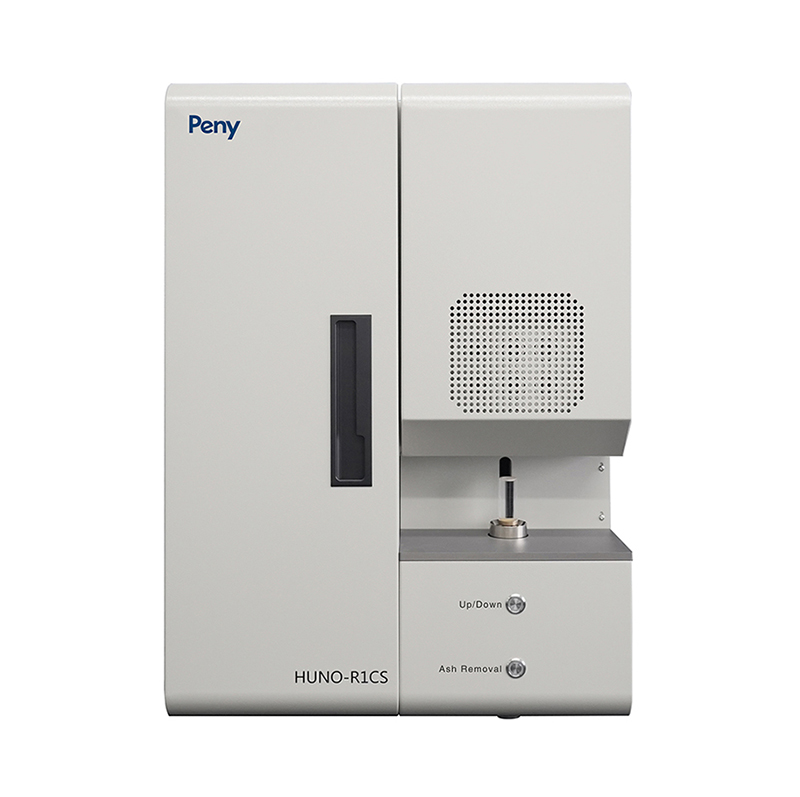
Automatic analysis and ash removal — After the operator starts analysis in the software, the system performs automatic analysis with a real-time curve display and carries out 1-second ash removal after analysis is completed.
Data collection and management — The computer system supports data collection, calculation and database management as part of the analysis workflow.
Standard Configuration
· Carbon Analyzer Host Machine
· Operation Software
· Computer
· Electronic Balance
· Dust Collection Device
Optional Configuration
· Regulated Power Supply
· Printer
Optional equipment can be selected according to the laboratory’s testing and power-supply requirements. Any special configuration should be confirmed before ordering.
Typical Applications
| Application | Typical Samples | Why It Matters |
| Black Metals | Steel, iron and other ferrous metal samples | Carbon content can affect the hardness, strength, ductility and weldability of steel materials, making it an important indicator in steel composition control. |
| Non-Ferrous Metals | Non-ferrous metal samples | The role of carbon varies among different non-ferrous metal systems, and its content may affect material structure and properties. |
| Rare Earth Metals | Rare earth metal samples | In some rare earth alloys and carbon-containing systems, carbon can participate in carbide formation or enter the material structure, potentially affecting material structure and related properties. |
| Inorganic Substances, Ores & Ceramics | Inorganic materials, ores and ceramic samples | Carbon content can be related to material composition, phase composition and processing conditions, making it a relevant parameter for analysis of these materials. |
| Metallurgical, Mechanical, Inspection & Research Applications | Routine and research-oriented carbon analysis | Different materials and research objectives require different carbon analysis needs, making the applicable material range an important consideration when selecting a carbon analyzer. |
Note: Our carbon elemental analyzer is mainly used for carbon content analysis of black metals, non-ferrous metals, rare earth metals, inorganic substances, ores and ceramics in metallurgical, mechanical, inspection, research and chemical industries. For specific sample types, sample preparation requirements and analytical suitability should be confirmed before purchase.
Carbon Elemental Analyzer Analysis Process
1. Sample Weighing — A pre-treated crucible is placed on the electronic balance for automatic tare. A 0.3 g or 0.5 g sample is then placed into the crucible.
2. Add Fluxing Agent — About 1.5-2.0 g of tungsten flux is evenly placed over the sample.
3. Crucible Reset — The crucible is positioned on the quartz crucible holder and the holder is raised into the analysis position.
4. Automatic Analysis — The operator starts analysis through the software. The system performs automatic analysis while the real-time carbon analysis curve and detected carbon percentage are displayed.
5. Analysis Finished — After analysis, the carbon determinator performs a 1-second ash removal.
About Peny
PENY has 12 years of experience in designing and producing elemental analyzers. The company specializes in gas element analysis instruments and has its own technical team and research center.
PENY operates a 2,100 m² production facility in Nantong, Jiangsu, with more than 50 employees. Its R&D team includes technical personnel with over 10 years of industry experience. The company currently provides more than 15 types of analyzers for different customer requirements, with a monthly production capacity of 20–30 analyzers.
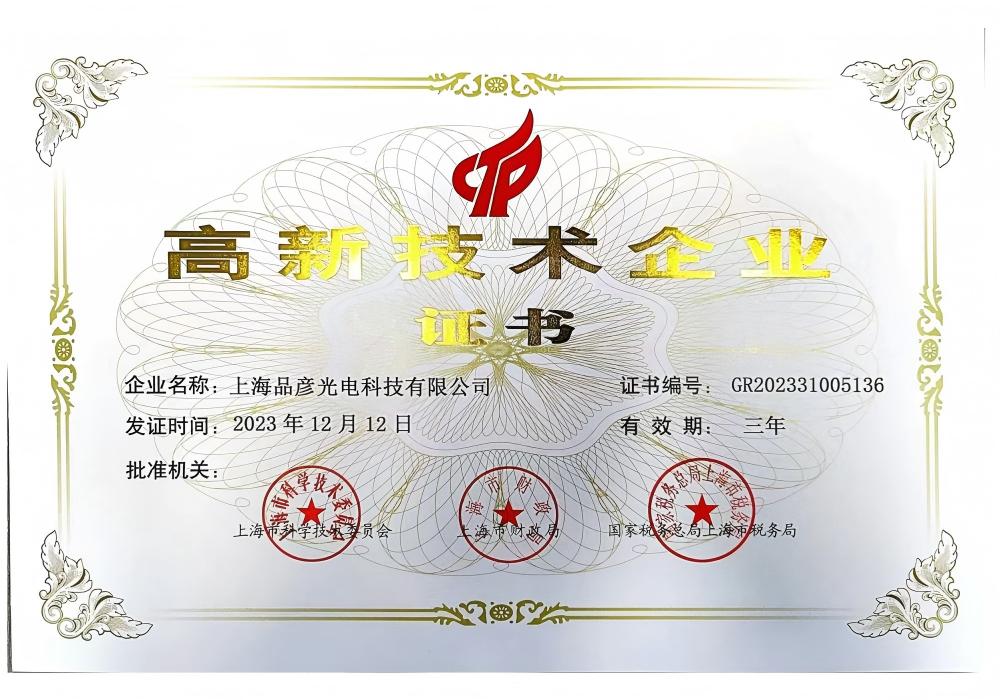
The company states that it has obtained a China High-tech Enterprise Certificate, PENY Trademark Registration Certificate, and ISO 9001 certification. Its service coverage extends to more than 21 countries.


Quality Control
Standards-Based Performance — The X1C applies ISO 9556 for carbon determination, with a sensitivity of 0.00001% (0.1 ppm).
ISO 9001-Certified Quality Management — PENY controls raw materials, production processes and quality inspection under its ISO 9001-certified quality management system.
Customer Cases
Benxi Iron and Steel Group
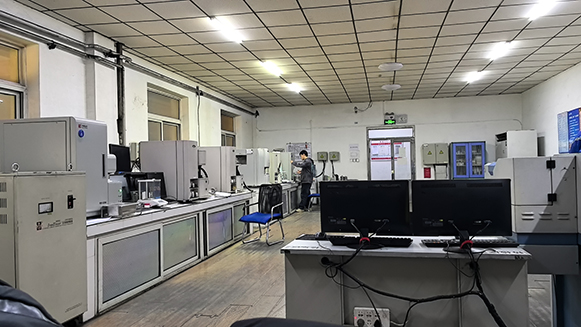
Benxi Iron and Steel Group was founded in 1905 and is one of the oldest steel enterprises in China's history. They urgently needs to improve the detection accuracy of carbon, sulfur, oxygen, nitrogen, and hydrogen elements in steel. Our company has successfully attracted the attention of Benxi Iron and Steel Group with our profound technical accumulation, rich industry experience, and excellent product quality. After comparison, they finally bought our carbon sulfur analyzer and ONH analyzer. Till now, these analyzers serves well in Benxi Iron and Steel Group.
Packaging
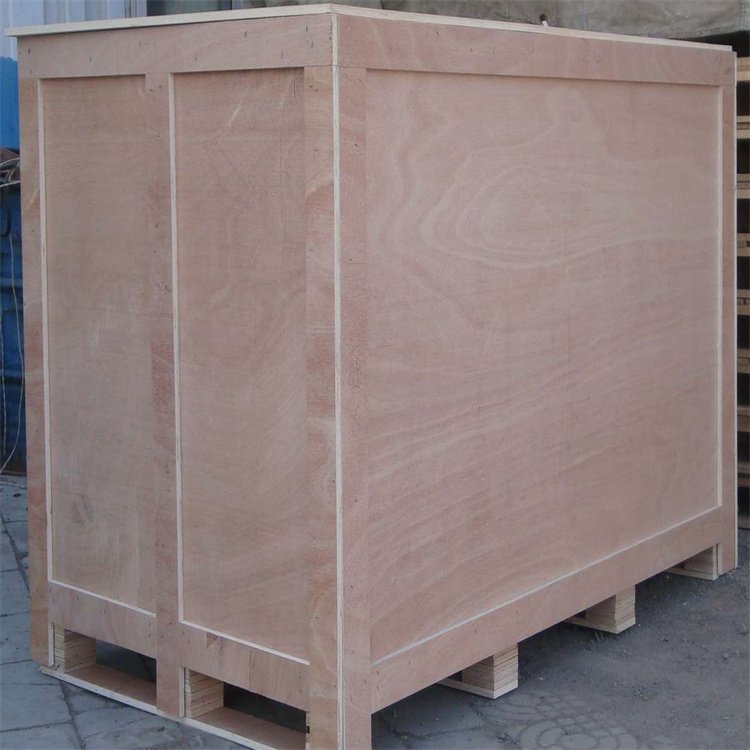
The X1C is packed in professional export wooden crates to help protect the analyzer during transportation. The crates are made from multi-layer plywood and are fumigation-free, combining durability with environmental considerations.
Package Size: 580 × 680 × 844 mm
Gross Weight: 130 kg
FAQ
Q: What sample preparation is required before carbon analysis?
A: The analysis process requires a pre-treated crucible and a sample of approximately 0.3–0.5 g. About 1.5–2.0 g of tungsten flux is then evenly added to the sample before automatic analysis.
Q: Can the X1C automatically control the analysis process?
A: Yes. After the sample and flux are prepared and the crucible is placed in the analyzer, the analysis software can start the automatic analysis process and display the real-time analysis curve and carbon content result.
Q: What happens after an analysis is completed?
A: After the analysis is finished, the carbon determinator performs a 1-second ash removal.
Q: Do you provide spare parts and consumables for elemental analyzers?
A: Yes. We provide spare parts and consumables for elemental analyzers. Please feel free to contact us with your requirements.
Q: Does the X1C come with a warranty?
A: Yes. PENY provides a 1-year warranty for the carbon analyzer. If you have any questions during use, please feel free to contact us.