
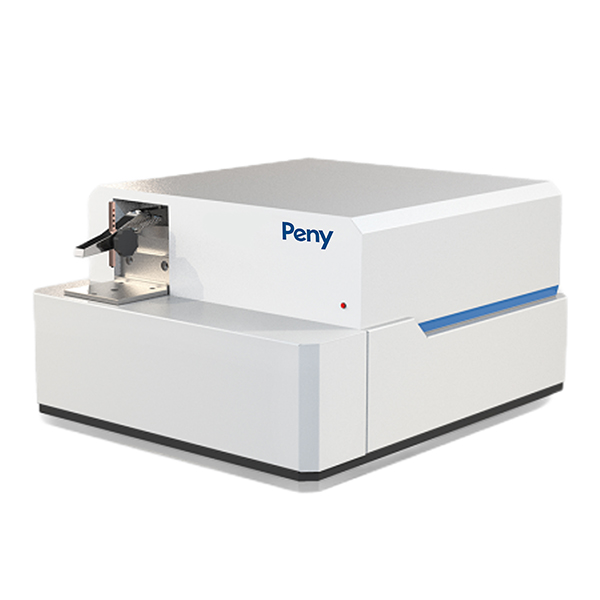
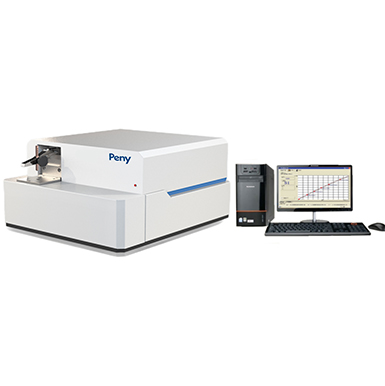
- Peny
- China
- 30 days
- Ensure quality and deliver on time
1.Full spectrum optical system with a wavelength range of 120–900nm and 400mm focal length for metal alloy elemental analysis.
2.Dual-spark combined discharge technology helps maintain a controlled excitation process during routine alloy testing.
3.CCD refrigeration, argon pressure protection, and vacuum control systems support a stable analysis environment.
Product Introduction
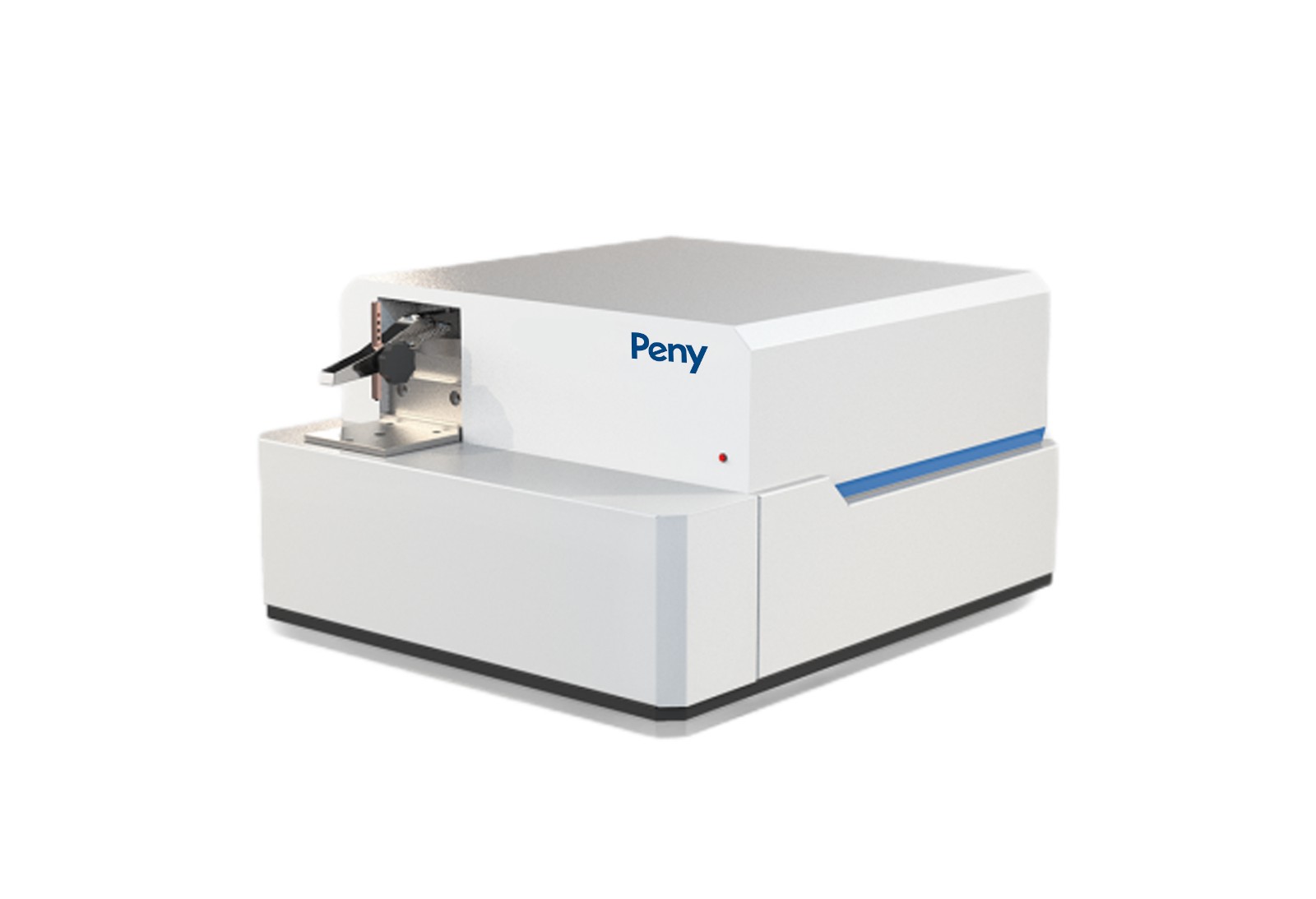
When testing different metal alloy samples, laboratories and manufacturers often need to deal with various material types, sample conditions, and testing requirements. If the analysis system cannot adapt to different samples efficiently, daily inspection workflows may become more complicated and affect production quality control.
For companies that need regular material verification, choosing an elemental analysis instrument that can handle different alloy categories while maintaining stable testing conditions is an important consideration.
Our Solution:
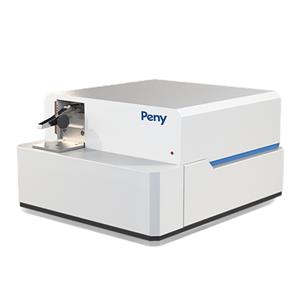
The PENY CCD9800 Full Spectrum Direct Reading Optical Emission Spectrometer is designed to simplify routine alloy analysis by supporting the testing of ferrous alloys, non-ferrous alloys, and other special metal alloy materials with one analytical platform.
The instrument combines a full-spectrum optical system, dual-spark combined discharge technology, CCD refrigeration, and controlled argon and vacuum systems to provide a more stable testing environment for daily analysis.
With the open sample stage design, the CCD9800 provides greater flexibility when positioning different sample sizes and shapes. This helps laboratories reduce difficulties in sample preparation and improve the efficiency of routine material inspection.
Technical Parameters
| Parameters | Specifications |
| Optical System | The full spectrum spectrometer applies vacuum Roland grating spectral chamber |
| Focal Length | 400mm |
| Wavelength Range | 120-900nm |
| Grating Line | 2400 lines/mm |
| Electronic System | The full spectrum spectrometer applies peak voltage sampling circuit |
| Data Acquisition | ARM chip high-speed USB multi-channel synchronous data acquisition, 16* 100K synchronous sampling |
| AD Acquisition | 16-bit single-pixel digital-to-analog conversion |
| Refrigeration Device | CCD refrigeration noise reduction, low noise, high sensitivity |
| Signal Transmission | The CCD optical emission spectrometer applies optical fiber digital coding transmission, strong anti-interference |
| Excitation Light Source | Full frequency digital excitation light source, excitation frequency 100-1000Hz |
| Gas Path | Flow Meter Pressure Adjustment: Input pressure, 0.25 MPa |
| Flow Meter Pressure Adjustment | <5L/min |
| Argon Constant Flow Setting Valve | 0.2-0.5L /min |
| Vacuum | Vacuum-control is less than 2Pa |
| Power Supply | Single-phase 220V 50Hz, standby power: about 100W; excitation working power: about 600W |
| Vacuum Pump Independent Power Supply Power | about 500W |
| Size & Weight | 800mm (L) ×650mm (D) ×400mm (H) , 70kg |
| Minimum Order Quantity | 1 unit |
| Payment Terms | 100% TT in advance |
| Mode of Transportation | Shipping by sea |
Benefits for Buyers
· Support elemental analysis of various metal alloy materials with one testing platform.
· Help laboratories manage different sample types during routine analysis.
· Provide flexible sample positioning for different sample sizes and shapes.
Instrument Features
Dual-Spark Combined Discharge
The CCD9800 applies a full-frequency digital excitation light source with an excitation frequency of 100–1000Hz.
The dual-spark combined discharge design helps provide a controlled excitation process during repeated alloy testing.
Controlled Argon and Vacuum Environment
The instrument is equipped with electronic argon pressure induction protection and vacuum control technology.
The vacuum-controlled spectral chamber maintains a condition of less than 2Pa, helping reduce the influence of contamination factors inside the optical chamber.
CCD Refrigeration Detection
The CCD detection system uses refrigeration technology for noise reduction and supports optical signal detection during analysis.
Open Sample Stage Design
The open sample stage provides flexibility when positioning relatively large or irregular metal samples.
This design helps laboratories handle different sample shapes during routine analysis.
Direct Reading Spectrometer Standard Configuration
Full Spectrum Direct reading Spectrometer Mainframe * 1
The Analysis of Substrate * 2
Operating Curve * 1 set
Analysis and Calibration Software (USB disk) * 1
Computer (Lenovo) * 1
Printer (HP) * 1
Vacuum Pump System * 1
Pressure Reducing Valve * 1
Electrode Brush * 1
Filter * 1
High and Low Standard Control Sample * 1
User’s Manual * 1
Typical Applications
| Application Field | Testing Requirements | Value for Buyers |
| Foundry Industry | Casting manufacturers need to verify alloy composition of raw materials and finished castings to ensure materials meet production requirements. | Supports efficient alloy composition inspection, helps reduce quality risks caused by material deviations, and improves casting quality control efficiency. |
| Metal Smelting and Processing | Metal producers and processors need to analyze different alloy grades during production and material inspection. | Helps laboratories handle various alloy materials with one testing platform and improves flexibility for routine material analysis. |
| Machinery Manufacturing | Manufacturers need reliable material verification for metal components and alloy parts during incoming inspection and production processes. | Supports material quality management, helps confirm alloy composition, and provides testing support for manufacturing processes. |
| Research Institutions and Laboratories | Research facilities often analyze different metal samples for material studies and experimental projects. | Provides a flexible elemental analysis solution for laboratories handling different metal sample types and research requirements. |
About PENY
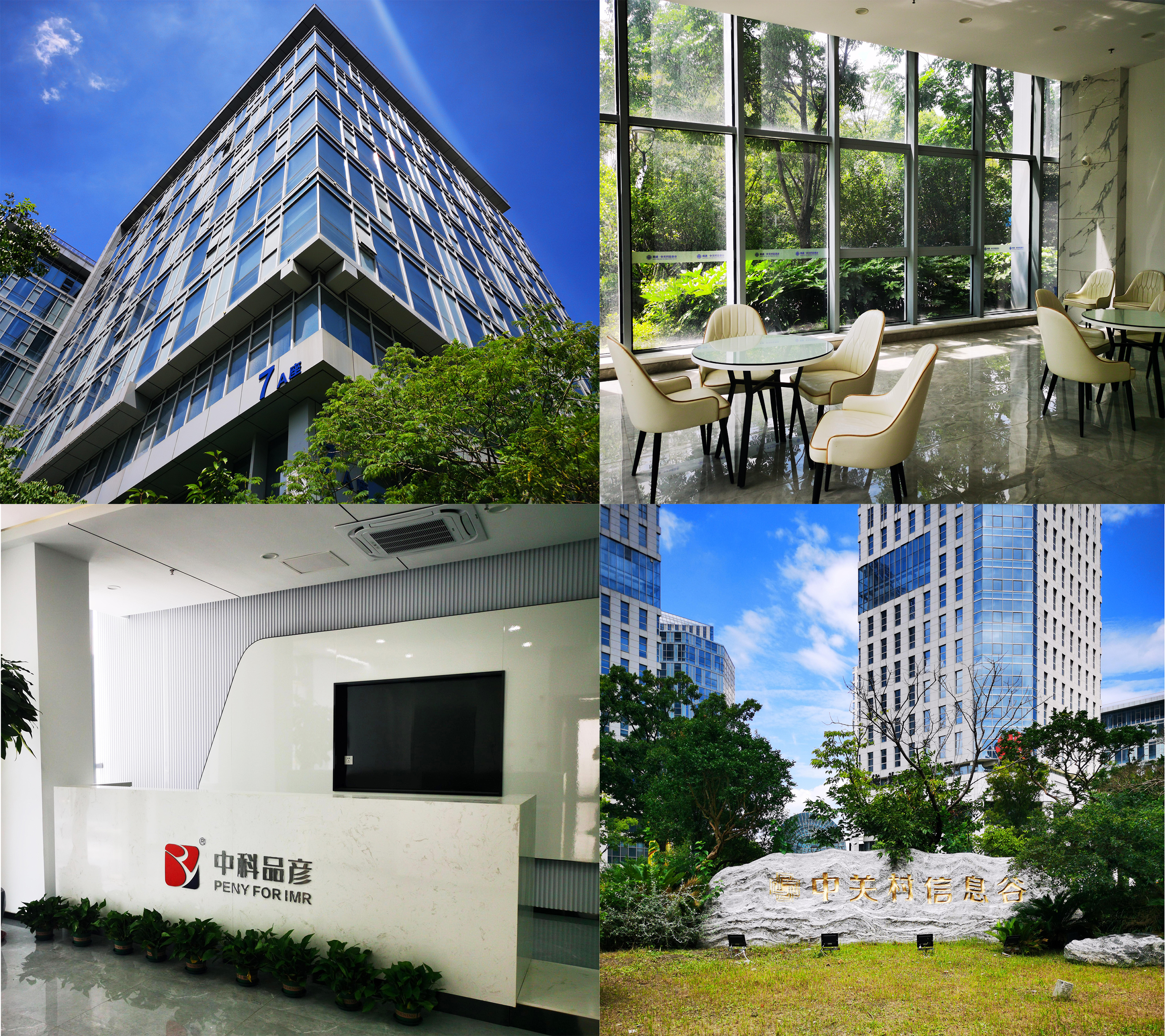
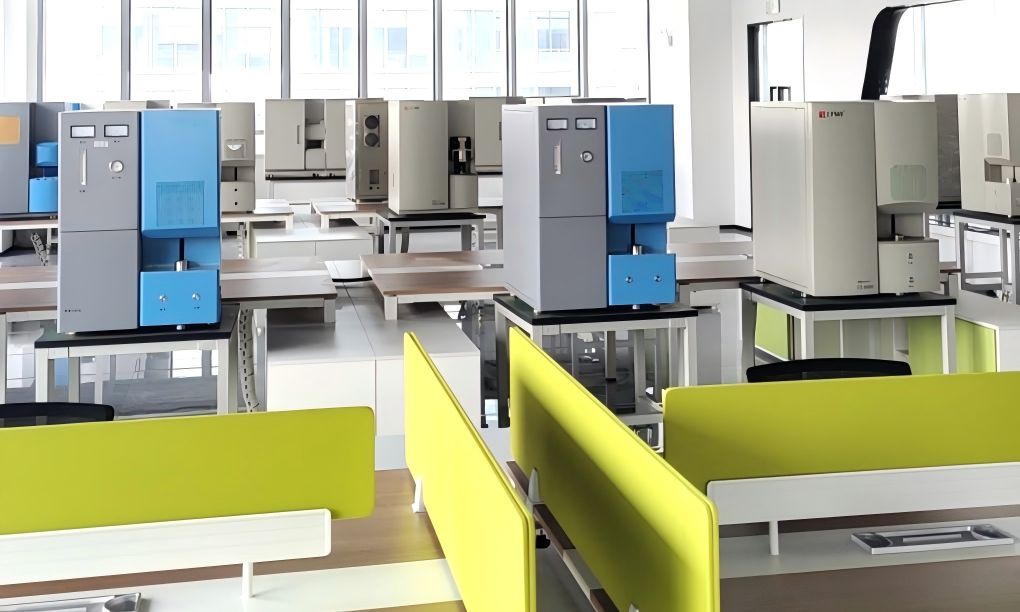
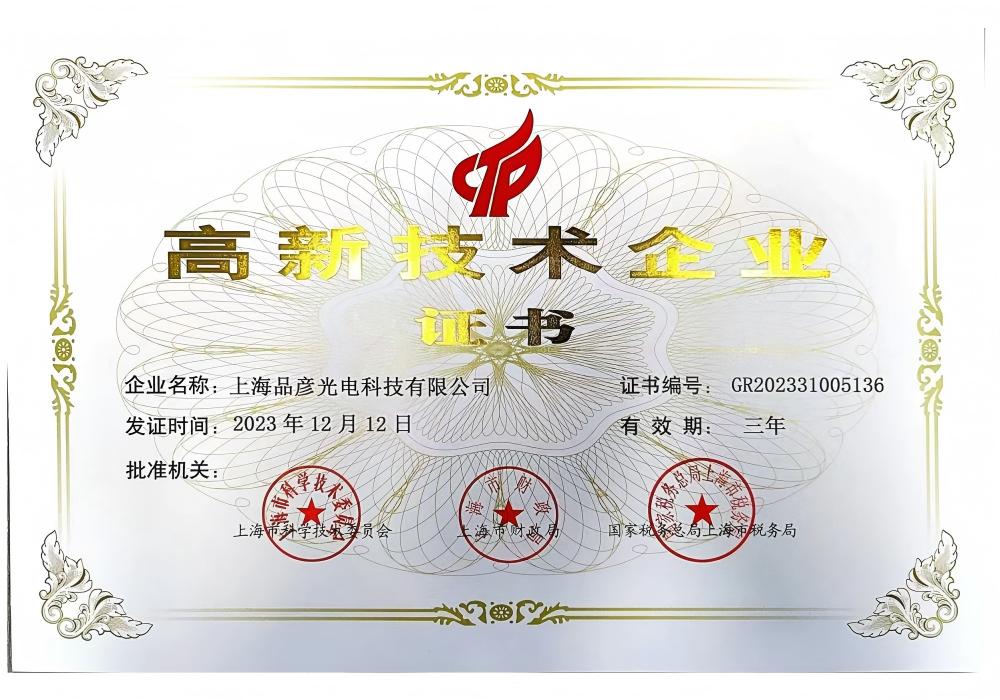
PENY Scientific Instruments specializes in the R&D and manufacturing of elemental analysis instruments for material testing applications. Established in 2014, we operate a 2,100㎡ production facility in Nantong, China, with a professional team covering R&D, manufacturing, quality control, and technical support.
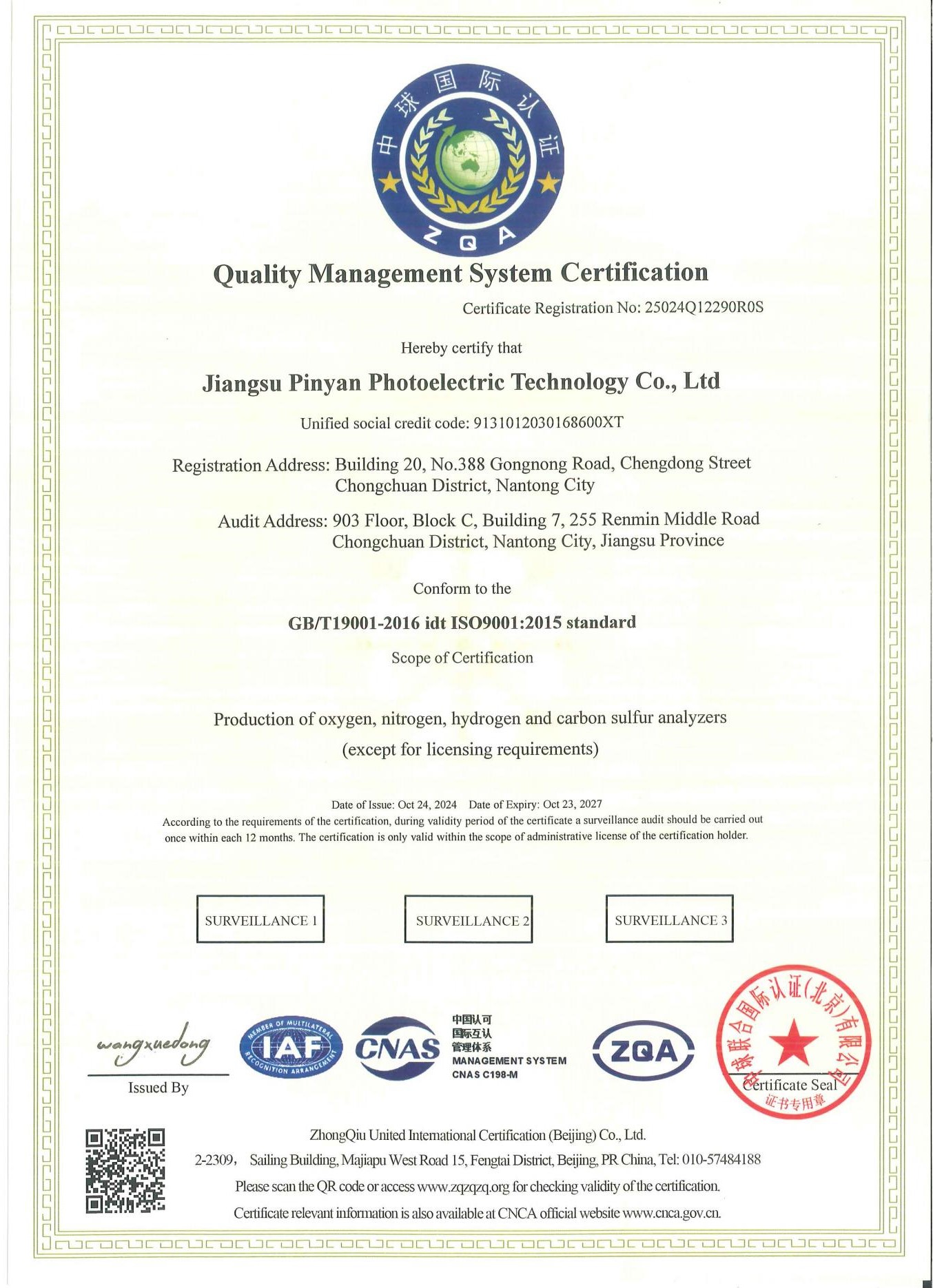
With customers in more than 21 countries and regions and a monthly production capacity of 20–30 units, we provide stable supply capability and reliable support for global laboratories, research institutions, and industrial users. From product development and manufacturing to final testing before shipment, we follow standardized processes to help ensure consistent equipment quality and long-term operation.
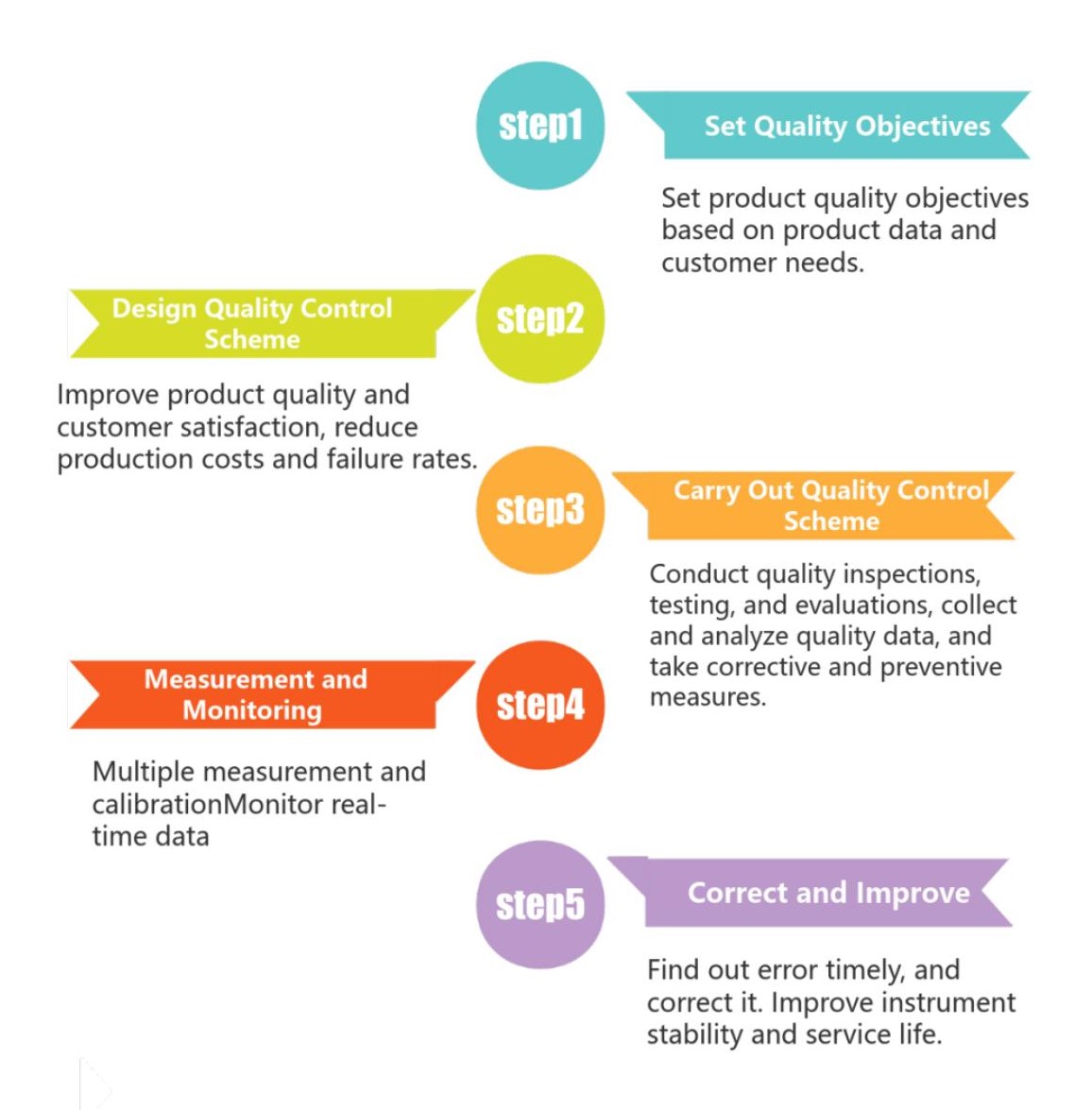
Quality Assurance
We provide high-quality, professional product solutions for direct-reading spectrometers, backed by comprehensive after-sales service, including low-cost instrument maintenance and free software upgrades in the future.
Our after-sales service team maintains smooth operation 24/7 to ensure timely resolution of customer issues.
We all of our products have 1 year warranty.
FAQ
Q: What is the delivery time of the CCD9800?
A: The standard delivery time of the CCD9800 is 30 days after receiving the order. The final delivery schedule can be confirmed according to specific order requirements and production arrangements.
Q: How does PENY ensure the equipment quality before shipment?
A: Before shipment, each CCD9800 spectrometer is checked and calibrated to help ensure proper operation after delivery. PENY applies quality control procedures throughout product development, manufacturing, and inspection processes.
Q: What documents are provided with the CCD9800?
A: The standard configuration includes an operating curve, analysis and calibration software, and user manual. Other document requirements can be confirmed according to customer needs.
Q: What additional equipment is required before using the CCD9800?
A: Before operating the CCD9800, customers need to prepare high-purity argon gas with a purity of ≥99.999% as the gas source. A spectral grinding machine or grinder should also be equipped for sample surface preparation before testing.
Q: Can the CCD9800 analyze large or irregular samples?
A: The CCD9800 adopts an open sample stage design, providing greater flexibility for positioning relatively large or irregular metal samples. The actual sample compatibility should be confirmed according to sample size and testing requirements before purchase.
Q: What type of excitation light source does the CCD9800 use?
A: The CCD9800 uses a full-frequency digital excitation light source with an excitation frequency of 100–1000Hz. The dual-spark combined discharge design helps provide a more stable excitation process during sample analysis.