Why Is ICP Spectrometer Sensitivity Declining?
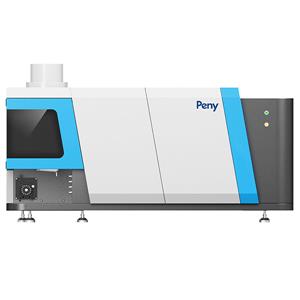
Have you ever noticed your inductively coupled plasma spectrometer (ICP) struggling to maintain the sensitivity it once had? You're not alone. Across laboratories worldwide, scientists and technicians are grappling with a silent issue: declining sensitivity in ICP instruments. This isn't just a minor inconvenience—it can lead to costly rework, missed deadlines, and even compromised research outcomes. But why does sensitivity decline, and more importantly, how can you fix it? In this blog, we'll explore the root causes, offer practical solutions, and share how Peny Scientific Instruments (Nantong) Co., Ltd. has helped labs regain their edge.
Introduction: The Silent Sensitivity Killer
Imagine this: Sarah, a lab manager at a prominent environmental testing facility, is puzzled. Her ICP spectrometer, once capable of detecting trace metals at parts-per-trillion levels, now barely hits parts-per-billion. Calibration curves are drifting, and quality control samples are failing. She's spending more time troubleshooting than analyzing samples. This scenario is all too common, and it's often due to a combination of factors—from sample matrix effects to instrument wear and tear. The good news? With the right knowledge and tools, you can mitigate these issues and restore your instrument's performance.
In this comprehensive guide, we'll delve into the technical depths of ICP sensitivity loss, provide actionable solutions, and showcase real-world examples of labs that have overcome these challenges with the help of Peny Scientific Instruments (Nantong) Co., Ltd. Whether you're an engineer, lab manager, or procurement specialist, you'll find valuable insights to enhance your ICP operations.
Industry Pain Points: When Precision Fails
Pain Point 1: Matrix Interference and Signal Suppression
Matrix interference is a notorious culprit behind sensitivity loss. When samples contain high concentrations of dissolved solids or easily ionizable elements, the plasma's ionization efficiency can be compromised, leading to signal suppression. For instance, in environmental samples with high salt content (e.g., seawater or industrial wastewater), the matrix can cause significant suppression of analyte signals, especially for elements with high ionization potentials. This results in inaccurate readings, requiring dilution or matrix matching—both time-consuming and prone to error. The cost? A lab might spend an extra 20-30% of its time on sample prep, and still face data quality issues that could lead to regulatory non-compliance or re-sampling.
Pain Point 2: Plasma Instability and Torch Degradation
The plasma torch is the heart of an ICP spectrometer, and its condition directly impacts sensitivity. Over time, torch components degrade due to thermal stress and chemical attack, leading to plasma instability. This manifests as flickering signals, increased background noise, and reduced sensitivity. In extreme cases, a degraded torch can cause arcing, damaging the instrument. Regular maintenance is key, but many labs overlook torch inspection until performance plummets. The consequence: unexpected downtime, costly repairs, and delayed projects. For a high-throughput lab, a day of downtime can cost thousands of dollars in lost productivity.
Pain Point 3: Sample Throughput vs. Data Quality Trade-off
In today's fast-paced lab environment, there's constant pressure to increase sample throughput. However, pushing the instrument to its limits can compromise data quality. For example, reducing integration time to speed up analysis may increase noise and lower sensitivity. Similarly, using autosamplers with fast rinse cycles can lead to carryover, affecting accuracy. Labs often struggle to balance speed and quality, and the trade-off can result in re-runs and wasted resources. A typical contract lab might sacrifice sensitivity for speed, only to find that client requirements aren't met, leading to renegotiations and lost business.
Solutions: Engineering the Path to Reliable Sensitivity
Solution 1: Advanced Matrix Tolerance with Dual-View Plasma
To combat matrix interference, consider ICP instruments with dual-view plasma capabilities. Dual-view systems allow simultaneous axial and radial viewing, providing flexibility to handle both high and low matrix samples without dilution. Axial view offers higher sensitivity for trace analysis, while radial view is more tolerant to matrix effects. Peny Scientific Instruments (Nantong) Co., Ltd. offers ICP spectrometers with advanced dual-view technology that automatically selects the optimal viewing mode based on sample type, ensuring accurate results even with challenging matrices. Additionally, incorporating internal standards and collision/reaction cells can further mitigate interference.
Solution 2: Robust Torch Design and Intelligent Plasma Control
Investing in a robust torch design and intelligent plasma control system can significantly extend torch life and maintain sensitivity. Look for torches made from high-purity quartz or ceramic materials that resist degradation. Peny Scientific Instruments (Nantong) Co., Ltd. utilizes a unique torch design with optimized gas flow dynamics and a real-time plasma monitoring system that adjusts power and gas flows to maintain stability, even with varying sample matrices. This proactive approach reduces downtime and ensures consistent sensitivity over thousands of hours of operation.
Solution 3: High-Efficiency Sample Introduction and Smart Automation
Sample introduction is often overlooked, but it's critical for sensitivity. A high-efficiency nebulizer and spray chamber can improve aerosol transport efficiency, leading to more signal. Peny Scientific Instruments (Nantong) Co., Ltd. offers advanced sample introduction systems with Peltier-cooled spray chambers and concentric nebulizers that maximize sensitivity while minimizing washout times. Furthermore, smart automation features, such as automated dilution and intelligent rinse protocols, ensure high throughput without compromising data quality. By integrating these solutions, labs can achieve the perfect balance between speed and sensitivity.
Customer Success Stories: Real-World Results
Case 1: Environmental Lab in California, USA
Golden State Analytical, a mid-sized environmental testing lab in California, was struggling with sensitivity loss when analyzing trace metals in saline groundwater. Their existing ICP spectrometer required extensive dilution, leading to detection limits above regulatory thresholds. After implementing Peny Scientific Instruments (Nantong) Co., Ltd.'s dual-view ICP with collision/reaction cell technology, they achieved a 10-fold improvement in detection limits, eliminating the need for dilution. "Our throughput increased by 25%, and we've had zero compliance issues since," said Dr. Emily Chen, Lab Director. "The team at Peny truly understood our challenges and provided a tailored solution."
Case 2: Mining Company in Western Australia
Red Earth Mining, a major iron ore producer in Western Australia, relied on ICP analysis for ore grade control. However, high dissolved solids in their samples caused severe matrix effects, leading to frequent re-analysis and delayed shipments. They switched to Peny Scientific Instruments (Nantong) Co., Ltd.'s ICP with a robust torch and intelligent plasma control. The result: a 40% reduction in re-analysis rates and a 15% increase in sample throughput. "The reliability of the Peny system has been a game-changer for our operations," commented Mark Thompson, Chief Chemist. "We now trust our data implicitly."
Case 3: Pharmaceutical R&D in Basel, Switzerland
Novartis-like pharma giant (name changed for confidentiality) in Basel faced sensitivity challenges when analyzing trace catalysts in drug compounds. Their ICP-MS was prone to matrix suppression from organic solvents. Peny Scientific Instruments (Nantong) Co., Ltd. provided an ICP-OES with a specialized organic sample introduction kit and dual-view plasma. The sensitivity for palladium and platinum improved by 5x, enabling detection at sub-ppb levels. "Peny's solution allowed us to meet stringent regulatory requirements without method revalidation," said Dr. Anna Müller, Senior Scientist. "Their technical support was exceptional."
Case 4: Semiconductor Manufacturer in Hsinchu, Taiwan
A leading semiconductor fab in Hsinchu required ultra-trace analysis of metallic contaminants on wafers. Their existing ICP-MS suffered from plasma instability due to trace impurities in the argon gas. Peny Scientific Instruments (Nantong) Co., Ltd. installed an ICP-MS with a high-purity gas purification system and advanced plasma control, achieving detection limits in the parts-per-quadrillion range. "Our yield improved by 2% directly attributable to better contamination control," noted Dr. Wei-Lin Chang, Process Engineer. "Peny's expertise in ultra-trace analysis is unmatched."
Applications and Partnerships: Trusted by Industry Leaders
Peny Scientific Instruments (Nantong) Co., Ltd. serves a diverse range of industries, including environmental monitoring, mining, pharmaceuticals, semiconductors, and food safety. Our ICP spectrometers are trusted by leading organizations worldwide. For instance, we partner with several top-tier environmental agencies in Europe and North America, providing them with rugged, reliable instruments for compliance testing. In the mining sector, our instruments are used by major players in Australia, Chile, and Canada for ore analysis. Our partnerships extend to OEM suppliers and distributors who value our commitment to quality and innovation. By choosing Peny, you're not just buying an instrument; you're gaining a partner dedicated to your analytical success.
FAQ: Answering Your Toughest Questions
Q1: How often should I replace the torch in my ICP spectrometer?
A: Torch lifetime depends on usage and sample type. Typically, with daily use and proper maintenance, a torch can last 6-12 months. However, if you analyze high-matrix samples, it may need replacement every 3-6 months. Peny Scientific Instruments (Nantong) Co., Ltd. offers torches with enhanced durability and a predictive maintenance system that alerts you when performance degrades.
Q2: Can I analyze organic solvents directly with an ICP?
A: Yes, but you need a specialized sample introduction system. Organic solvents can cause plasma instability and carbon buildup. Peny Scientific Instruments (Nantong) Co., Ltd. provides organic sample kits with Peltier-cooled spray chambers and oxygen addition to ensure stable plasma and accurate results.
Q3: What is the best way to reduce matrix interference?
A: Use internal standards, collision/reaction cells, or dual-view plasma. Peny Scientific Instruments (Nantong) Co., Ltd.'s ICP spectrometers incorporate all these features, allowing you to choose the best approach for your samples. Our applications team can help you develop a tailored method.
Q4: How can I improve sample throughput without sacrificing sensitivity?
A: Optimize sample introduction and automation. Use a high-efficiency nebulizer, reduce rinse times with an intelligent autosampler, and consider dual-view analysis to avoid dilution. Peny Scientific Instruments (Nantong) Co., Ltd.'s systems are designed for high throughput with uncompromised data quality.
Q5: What maintenance schedule do you recommend for ICP spectrometers?
A: Daily: check gas flows and torch condition. Weekly: clean spray chamber and nebulizer. Monthly: replace pump tubing and check optics. Annually: full preventive maintenance by a certified technician. Peny Scientific Instruments (Nantong) Co., Ltd. offers service contracts and remote diagnostics to keep your instrument in peak condition.
Conclusion: Reclaim Your Sensitivity and Productivity
Declining sensitivity in ICP spectrometers is a common but solvable problem. By understanding the root causes—matrix interference, plasma instability, and throughput pressures—and implementing the right solutions, you can restore your instrument's performance and ensure reliable results. Peny Scientific Instruments (Nantong) Co., Ltd. stands ready to support you with cutting-edge technology, expert advice, and a partnership approach. Don't let sensitivity loss slow you down. Contact us today to request our comprehensive technical white paper on ICP sensitivity optimization or to speak with a sales engineer. Let us help you turn your analytical challenges into successes.