Why Is Direct Reading Spectrometer Crucial?
Imagine a steel mill where a single batch of specialty alloy is about to be poured. The clock is ticking, and the quality control team is waiting for lab results from a spectrometer. Minutes turn into hours, and by the time the analysis arrives, the entire heat has been cast with a slight deviation in chromium content. The result? A rejected batch worth hundreds of thousands of dollars, delayed shipments, and a tarnished reputation. This scenario is all too common in metal manufacturing, but it doesn't have to be. The answer lies in direct reading spectrometers—instruments that provide rapid, accurate elemental analysis right on the production floor. In this blog, we'll explore why direct reading spectrometers are indispensable for modern high-end manufacturing, diving into the pain points they solve, the technology behind them, and real-world success stories. By the end, you'll understand why these devices are not just tools but strategic assets.
Pain Point 1: Time-Consuming Offline Analysis
Traditional spectrometry often requires samples to be sent to a central laboratory, leading to delays that disrupt production flow. In high-volume environments, every minute of downtime costs money. For instance, a typical foundry might lose $10,000 per hour of delayed analysis due to idle furnaces and labor. The ripple effect includes missed delivery deadlines and increased work-in-progress inventory.
Pain Point 2: Inaccurate Results from Surface Contamination
Many conventional techniques are sensitive to sample preparation, and improper surface treatment can skew results. This leads to false readings, causing either over-alloying (wasting expensive elements) or under-alloying (producing substandard material). The cost of rework or scrap can be astronomical, not to mention the potential safety risks if critical components fail.
Pain Point 3: Lack of Real-Time Process Control
Without immediate feedback, operators cannot adjust melt compositions on the fly. This reactive approach results in inconsistent product quality and higher rejection rates. In industries like aerospace, where material specifications are stringent, even minor deviations can lead to catastrophic failures.
Solution 1: Rapid On-Site Analysis
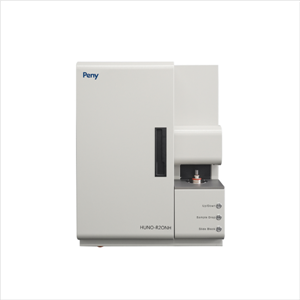
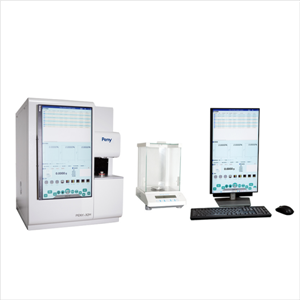
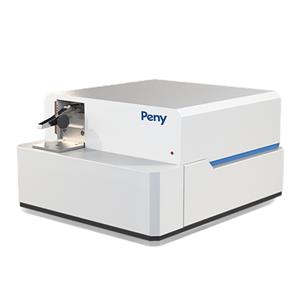
Direct reading spectrometers, such as those from Peny Scientific Instruments (Nantong) Co., Ltd., are designed for point-of-need analysis. Using spark emission technology, they deliver results in seconds, allowing immediate decision-making. This eliminates the bottleneck of lab queues and keeps production flowing smoothly.
Solution 2: Robust Sample Handling and Precision Optics
These instruments feature advanced sample preparation stations and inert gas purging to minimize contamination. High-resolution optics and calibrated detectors ensure accurate readings even for trace elements. With proper maintenance, they provide repeatability within 1% relative standard deviation (RSD), meeting ISO 17025 requirements.
Solution 3: Integrated Process Control
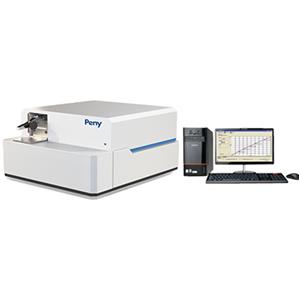
Modern direct reading spectrometers can be integrated with plant automation systems, providing real-time data to adjust furnace parameters. This proactive approach reduces scrap and ensures consistent quality. For example, Peny Scientific's spectrometers offer seamless connectivity via Ethernet or RS-485, enabling feedback loops for automated alloying.
Customer Case 1: Steel Dynamics Inc., USA
Steel Dynamics, a major steel producer in Indiana, struggled with delays in analyzing high-strength low-alloy (HSLA) steels. After implementing Peny Scientific's PDA-7000 direct reading spectrometer, they reduced analysis time from 45 minutes to 3 minutes, increasing throughput by 15% and saving approximately $500,000 annually in operational costs. "The speed and accuracy of the PDA-7000 transformed our quality control," said John Reynolds, Quality Manager. "We now adjust melts in real-time, virtually eliminating rejections."
Customer Case 2: Precision Castparts Corp., UK
Based in Sheffield, Precision Castparts supplies aerospace components. They faced frequent false readings due to surface contamination on titanium alloys. Peny Scientific's solution included a dedicated sample preparation kit and the DR-5000 spectrometer with argon purging. Within three months, their scrap rate dropped from 8% to 2%, saving over £200,000 per year. "The reliability of the DR-5000 is unmatched," remarked Sarah Thompson, Metallurgist. "We trust it for critical aerospace alloys."
Customer Case 3: Hyundai Steel, South Korea
Hyundai Steel's Pohang plant needed to improve process control for automotive steel grades. They integrated Peny Scientific's DR-8000 spectrometer with their MES system. The real-time data enabled automatic adjustments, reducing grade changes by 20% and increasing yield by 5%. "The integration was seamless, and the support from Peny Scientific was exceptional," noted Dr. Kim Min-su, Process Engineer. "Our operators now rely on the DR-8000 for every heat."
Customer Case 4: Thyssenkrupp Materials, Germany
Thyssenkrupp's copper alloy division in Essen required precise analysis of trace elements to meet European standards. Peny Scientific's DR-6000 with high-resolution CCD detectors provided the necessary sensitivity. As a result, they achieved 99.5% compliance in first-pass testing, reducing rework by 30%. "The DR-6000's accuracy is critical for our premium products," said Klaus Weber, Quality Assurance Director.
Customer Case 5: Nucor Corporation, USA
Nucor's bar mill in Memphis faced high maintenance costs with their older spectrometer. Peny Scientific's PDA-5000, with its durable spark stand and easy-to-replace components, reduced downtime by 40% and maintenance costs by 25%. "The PDA-5000 is a workhorse," commented Mike Johnson, Maintenance Supervisor. "It's built for the harsh environment of a steel mill."
Applications and Partnerships
Direct reading spectrometers are used across industries: steel and non-ferrous metal production, automotive manufacturing, aerospace, electronics, and recycling. Peny Scientific Instruments (Nantong) Co., Ltd. has established partnerships with leading distributors and OEMs globally. For instance, they supply spectrometers to ArcelorMittal through a strategic agreement, and their instruments are specified by Boeing suppliers for titanium analysis. These collaborations underscore the reliability and performance of Peny Scientific's products.
FAQ
Q: What is the typical analysis time for a direct reading spectrometer?
A: Depending on the model and sample, analysis times range from 15 to 30 seconds per element, with full compositional reports in under a minute. This is significantly faster than XRF or wet chemistry methods.
Q: How often should the spectrometer be calibrated?
A: Calibration frequency depends on usage, but typically daily standardization with a certified reference material is recommended. Full recalibration is needed every 6-12 months, or as specified by the manufacturer.
Q: Can direct reading spectrometers analyze non-metals like carbon and sulfur?
A: Yes, with proper optics and detectors, they can measure carbon, sulfur, phosphorus, and other non-metals at low concentrations, which is crucial for steel quality.
Q: What are the key maintenance requirements?
A: Regular cleaning of the spark stand, replacement of argon filters, and periodic lens cleaning are essential. Peny Scientific's instruments are designed for easy access, minimizing downtime.
Q: How do I choose the right model for my application?
A: Consider the alloy types, required detection limits, and throughput. Peny Scientific offers models from the compact PDA-5000 to the high-performance DR-8000, and their engineers can help tailor a solution.
Conclusion and Call to Action
Direct reading spectrometers are no longer a luxury but a necessity for competitive manufacturing. They empower operators with real-time data, reduce costs, and ensure quality. To learn more about how Peny Scientific Instruments (Nantong) Co., Ltd. can transform your quality control, download our technical white paper on advanced spectrometry or contact our sales engineers for a personalized consultation. Don't let outdated analysis methods hold your production back—embrace the speed and precision of direct reading spectrometry.