Why Is Carbon Sulfur Analysis Critical for Metal Quality?
Imagine you're a quality engineer at a leading aerospace component manufacturer. A batch of high-strength steel has just passed through final inspection, but later, during machining, cracks appear unexpectedly. The root cause? Carbon content was off by just 0.02%—enough to compromise the material's integrity. This scenario is all too common in industries where precise carbon and sulfur analysis is not just a nicety but a necessity. In this blog, we'll explore why carbon sulfur analysis is critical for metal quality, the pitfalls of inadequate analysis, and how advanced analyzers from Peny Scientific Instruments (Nantong) Co., Ltd. are helping manufacturers achieve unprecedented accuracy and reliability.
1. Introduction: The Hidden Threat in Your Metal
In the world of metallurgy, carbon and sulfur are both essential and dangerous. Carbon determines hardness and strength, while sulfur affects machinability and ductility. But even minor deviations from specified ranges can lead to catastrophic failures, costly recalls, and damaged reputations. Traditional analysis methods often fall short in speed, accuracy, or reliability, leaving manufacturers vulnerable. That's where modern carbon sulfur analyzers come in—they provide fast, precise, and reliable measurements that ensure your metal meets the highest standards.
2. Industry Pain Points: When Carbon and Sulfur Go Unchecked
2.1 Inaccurate Measurements Leading to Material Failures
In industries like aerospace and automotive, material properties are non-negotiable. A slight error in carbon content can reduce tensile strength, leading to premature failure. For example, a European auto parts supplier faced a recall of 50,000 components due to sulfur content exceeding specifications, resulting in $2 million in costs and a tarnished brand image. Traditional combustion analyzers often suffer from incomplete combustion or detector drift, causing inaccurate readings.
2.2 Slow Turnaround Times Disrupting Production
In high-volume manufacturing, time is money. Waiting hours for lab results can halt production lines and delay shipments. A steel mill in the U.S. reported that each hour of downtime due to delayed analysis costs approximately $10,000. Conventional methods require complex sample preparation and lengthy analysis cycles, creating bottlenecks.
2.3 Lack of Reliability and Repeatability
Inconsistent results erode trust in quality control. A foundry in Germany struggled with varying carbon readings from the same sample, leading to unnecessary rework and scrap rates of 8%. Without reliable data, engineers cannot make informed decisions, resulting in wasted materials and increased costs.
3. The Solution: Advanced Carbon Sulfur Analyzers
3.1 High-Precision Detection for Critical Applications
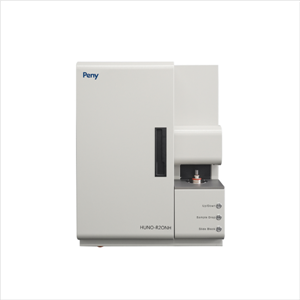
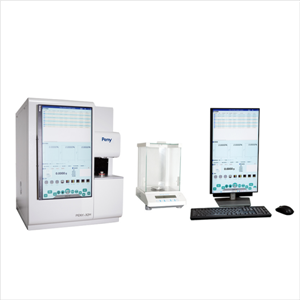
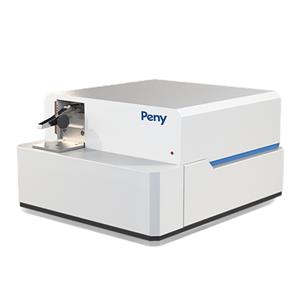
Modern carbon sulfur analyzers, such as those from Peny Scientific Instruments, utilize advanced combustion and infrared detection technologies to achieve accuracy within ±0.001%. This level of precision ensures that even trace amounts of carbon and sulfur are reliably measured, preventing material failures. The analyzers are equipped with high-sensitivity detectors and automated calibration, reducing human error.
3.2 Rapid Analysis for High-Throughput Environments
With analysis times as short as 60 seconds, these analyzers integrate seamlessly into production workflows. In-line or near-line installation allows real-time monitoring, enabling immediate adjustments. For instance, a steel plant can analyze samples every 30 minutes, ensuring consistent quality without slowing down the line.
3.3 Robust Design for Repeatable Results
Built with durable components and intelligent software, these analyzers offer exceptional repeatability, with standard deviations of less than 0.0005%. Features like automatic cleaning and self-diagnostics minimize maintenance and ensure consistent performance over thousands of cycles. The user-friendly interface and data management system provide traceability and ease of use.
4. Customer Success Stories
4.1 Automotive Supplier in Detroit, USA
Smith Automotive Components struggled with inconsistent carbon readings, leading to a 5% scrap rate. After implementing Peny's CS-3000 analyzer, they achieved a 0.5% scrap rate and saved $500,000 annually. "The reliability of Peny's analyzer has transformed our quality control," said John Smith, Quality Manager.
4.2 Steel Mill in Sheffield, UK
Sheffield Steelworks faced frequent production delays due to slow analysis. With Peny's rapid analyzer, they reduced analysis time from 2 hours to 10 minutes, increasing throughput by 15% and saving £200,000 per year. "The speed and accuracy are unmatched," commented Emily Brown, Production Engineer.
4.3 Foundry in Stuttgart, Germany
Precision Castings GmbH had a 10% rework rate due to sulfur variations. Peny's analyzer provided consistent results, reducing rework to 2% and saving €300,000 annually. "We now trust our data implicitly," said Klaus Müller, Plant Manager.
4.4 Aerospace Manufacturer in Toulouse, France
Aerospace Alloys SA required ultra-precise carbon analysis for critical components. Peny's analyzer achieved ±0.001% accuracy, ensuring compliance with aerospace standards and avoiding potential recalls. "Peny's technology gives us the confidence to meet the most stringent specifications," noted Pierre Dubois, Quality Director.
5. Applications and Partnerships
Carbon sulfur analyzers are indispensable in industries such as steel production, foundries, automotive, aerospace, and research laboratories. They are used for incoming material inspection, process control, and final product certification. Peny Scientific Instruments has established strategic partnerships with leading distributors and OEMs across Europe and North America, including a collaboration with a major automotive Tier 1 supplier to integrate analyzers into their smart factory systems. These partnerships underscore the company's commitment to innovation and customer-centric solutions.
6. FAQ
Q1: How does your analyzer handle high-sulfur samples without contamination?
A1: Our analyzers feature a unique combustion chamber design and automated cleaning cycles that prevent sulfur carryover. Additionally, we use high-temperature resistant materials and real-time monitoring to ensure accurate results even with high-sulfur content.
Q2: What is the typical maintenance schedule?
A2: With self-diagnostics and modular components, maintenance is minimal. We recommend quarterly calibration and annual replacement of consumables, which takes less than an hour.
Q3: Can the analyzer be integrated with our LIMS?
A3: Yes, our software supports standard protocols like TCP/IP and RS-232, allowing seamless integration with LIMS and other data management systems.
Q4: How do you ensure repeatability across different operators?
A4: The analyzer's automated sample handling and user-friendly interface reduce operator variability. Our inter-laboratory studies show a repeatability standard deviation of 0.0003%.
Q5: What support do you offer for method development?
A5: We provide comprehensive method development support, including access to our application laboratory and on-site training. Our engineers can help you optimize parameters for specific materials.
7. Conclusion and Call to Action
In the quest for metal quality, carbon sulfur analysis is not just a step—it's a cornerstone. Inaccurate or slow analysis can lead to costly failures, while advanced analyzers from Peny Scientific Instruments deliver precision, speed, and reliability. Don't let hidden carbon and sulfur compromise your products. Download our technical white paper to learn more about optimizing your analysis processes, or contact our sales engineers to discuss tailored solutions for your facility.