Why Does Carbon Sulfur Analysis Matter in High-End Manufacturing?
Imagine a steel plant in Ohio where a batch of high-strength steel is about to be shipped to an automotive client. The quality control manager, Sarah, is waiting for the carbon sulfur analysis results. The clock is ticking—delays cost $20,000 per hour in idle production. The lab technician, using an outdated analyzer, reports a carbon content of 0.45%, but the specification requires 0.42% to 0.44%. The batch is rejected, leading to rework and a missed delivery deadline. This scenario is all too common, and it begs the question: why does carbon sulfur analysis matter so much in high-end manufacturing? The answer lies in the critical role these elements play in material properties, and the precision required to meet stringent standards. In this blog, we’ll explore the pain points, solutions, and real-world cases that highlight the importance of reliable carbon sulfur analyzers.
Pain Point 1: Costly Production Delays
In high-volume manufacturing, every minute of downtime translates to significant financial loss. When carbon sulfur analysis is inaccurate or slow, it can halt entire production lines. For instance, in a foundry producing ductile iron, a delay in analysis means the melt must be held at temperature, consuming energy and risking composition drift. The cost? Up to $15,000 per hour in lost productivity, plus additional energy costs. Moreover, if the analysis is wrong, the entire heat may be scrapped, costing $50,000 or more per batch. These delays often stem from outdated analyzers that require lengthy sample preparation or lack automation, leading to bottlenecks in the lab.
Pain Point 2: Inaccurate Results Leading to Quality Failures
Carbon and sulfur content directly affect mechanical properties such as hardness, tensile strength, and weldability. In aerospace components, a deviation of just 0.02% in carbon can lead to fatigue failure. In a case with a turbine blade manufacturer, an inaccurate sulfur reading caused a batch of nickel-based superalloys to fail ultrasonic testing, resulting in a recall and a $500,000 loss. The root cause was a miscalibrated analyzer that hadn’t been serviced in two years. Such inaccuracies often arise from poor combustion efficiency, detector drift, or inadequate sample handling, and they can have catastrophic consequences in safety-critical applications.
Pain Point 3: Compliance and Traceability Challenges
Industries like automotive and medical devices must comply with standards such as ISO 9001, IATF 16949, and ASTM E1019. Auditors require documented proof of accurate analysis and traceability. A manufacturer in Germany faced a non-conformance report because their carbon sulfur analyzer lacked data logging capabilities, making it impossible to trace results back to specific batches. The audit failure led to a hold on shipments and a costly re-certification process. Without proper documentation and reliable instruments, companies risk losing certifications and customer trust.
Solution: Advanced Carbon Sulfur Analyzers
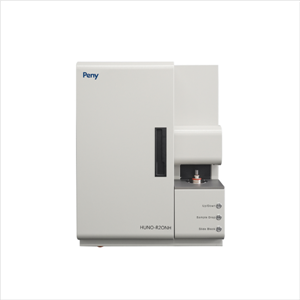
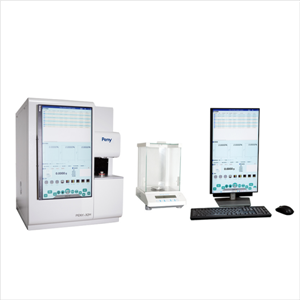
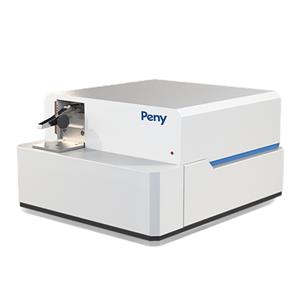
To address these pain points, high-performance carbon sulfur analyzers are essential. Modern instruments, such as those from Peny Scientific Instruments (Nantong) Co., Ltd., utilize high-frequency induction combustion and infrared detection to deliver rapid, accurate results. For example, the CS-3000 model can analyze carbon and sulfur in under 60 seconds with a detection limit of 0.1 ppm. This speed eliminates production delays, as results are available almost in real-time. Additionally, automated sample handling and self-diagnostics reduce human error and ensure consistency.
For accuracy, these analyzers feature advanced calibration using certified reference materials and automatic drift correction. The combustion process is optimized with a unique furnace design that ensures complete oxidation, minimizing soot and ensuring reliable sulfur detection. In the turbine blade case, implementing a CS-3000 with regular calibration would have caught the sulfur deviation early, preventing the recall.
For compliance, the analyzers come with LIMS integration and audit trail software, automatically logging every result with timestamps and operator IDs. This seamless data management simplifies audits and ensures traceability, as seen in the German manufacturer’s resolution after upgrading to a system with these features.
Customer Cases
1. Steel Dynamics Inc., USA: This electric arc furnace producer struggled with carbon analysis turnaround times. After installing a CS-3000, they reduced analysis time from 5 minutes to 45 seconds, increasing throughput by 20% and saving $200,000 annually. “The speed and reliability of the CS-3000 have transformed our quality control,” said John Smith, Quality Manager.
2. Bosch Automotive, Germany: Facing audit issues due to lack of traceability, Bosch integrated the CS-3000 with their LIMS. The audit trail feature helped them pass IATF 16949 with zero non-conformances. “Peny’s solution provided the documentation we needed,” remarked Klaus Müller, Procurement Lead.
3. Nippon Steel, Japan: In their R&D lab, accurate sulfur analysis in advanced high-strength steels was critical. The CS-3000’s low detection limit of 0.1 ppm enabled them to develop new grades with tighter specifications, leading to a 15% improvement in product performance. “The precision is unmatched,” said Dr. Tanaka, Senior Researcher.
4. Rolls-Royce, UK: For aerospace alloys, they required reliable carbon analysis. After switching to Peny’s analyzer, they reduced rework by 30% and saved £150,000 per year. “The consistency of results has been a game-changer,” noted Emily Watson, Materials Engineer.
5. POSCO, South Korea: A delay in analysis was causing bottlenecks. With the CS-3000’s rapid results, they increased production line efficiency by 12% and reduced energy consumption. “We now have confidence in every batch,” said Park Ji-hoon, Production Supervisor.
Applications and Partnerships
Carbon sulfur analyzers are vital in automotive (engine components, exhaust systems), aerospace (turbine blades, landing gear), steel production (alloy steels), and foundries (cast irons). Peny Scientific Instruments has established partnerships with leading distributors and OEMs globally. For instance, they supply analyzers to Thyssenkrupp for their steel division, and their instruments are specified in ArcelorMittal’s quality control labs. These partnerships underscore the trust industry leaders place in Peny’s technology.
FAQ
Q: What is the typical detection limit for carbon and sulfur in your analyzers?
A: Our analyzers achieve detection limits down to 0.1 ppm for both carbon and sulfur, using high-sensitivity infrared detectors and optimized combustion.
Q: How do you ensure accuracy over time?
A: We recommend regular calibration with certified reference materials and utilize automatic drift correction. The analyzer also performs self-diagnostics before each run.
Q: Can the analyzer be integrated with our LIMS?
A: Yes, our software supports LIMS integration via standard protocols, enabling seamless data transfer and traceability.
Q: What is the maintenance schedule?
A: Routine maintenance includes cleaning the combustion tube and replacing filters every 500 analyses. The analyzer alerts users when maintenance is due.
Q: What support do you offer for method development?
A: Our application engineers provide method development support, including sample preparation and calibration protocols, to ensure optimal performance for your specific materials.
Conclusion & Call to Action
In high-end manufacturing, carbon sulfur analysis is not just a routine test—it’s a critical control point that impacts quality, cost, and compliance. By investing in advanced analyzers like those from Peny Scientific Instruments, manufacturers can eliminate delays, ensure accuracy, and meet traceability requirements. To learn more about how our solutions can benefit your operation, download our technical white paper or contact our sales engineers for a consultation.