Can Your Carbon Sulfur Analyzer Keep Up with Modern Steel?
It’s 2:00 AM in a steel melt shop in Gary, Indiana. The heat is on—literally. A 150-ton ladle of molten steel is waiting for a final chemistry check before casting. The shift supervisor taps the screen of the carbon sulfur analyzer, expecting a quick result. Instead, the machine throws an error code. The sample is re-prepared, re-analyzed, and 20 minutes later, the result finally comes through: carbon is 0.02% off spec. The entire heat must be reworked. That’s $18,000 in lost productivity, plus the risk of a missed delivery to an automotive customer. And it’s not an isolated incident. Across the industry, outdated or poorly maintained carbon sulfur analyzers are silently bleeding profits, compromising quality, and frustrating engineers who know there’s a better way.
So, can your carbon sulfur analyzer keep up with modern steel? If you’re still relying on combustion-based systems that take minutes per sample, require frequent recalibration, and struggle with trace sulfur at the ppm level, the answer is likely no. But here’s the good news: today’s advanced carbon sulfur analyzers—like those engineered by Peny Scientific Instruments (Nantong) Co., Ltd.—are designed to deliver speed, accuracy, and reliability that match the pace of modern steelmaking. In this blog, we’ll explore the pain points, the technical solutions, and the real-world results that separate a bottleneck from a breakthrough.
The Hidden Costs of Inadequate Carbon Sulfur Analysis
Before we dive into solutions, let’s be clear about the problems. In high-volume production environments—whether you’re making automotive sheet steel, pipeline alloys, or specialty stainless—the carbon sulfur analyzer is not just a lab instrument. It’s a critical control point. When it fails or underperforms, the ripple effects are felt across the entire operation. Here are three pain points we hear repeatedly from engineers and plant managers.
Pain Point 1: Slow Analysis Times That Bottle Neck Production
In a typical integrated steel mill, a heat of steel might require carbon and sulfur analysis at multiple stages: during melting, during refining, and before casting. If each analysis takes 3–5 minutes—common with older combustion analyzers—that’s 15–20 minutes of delay per heat. For a mill producing 20 heats per day, that’s up to 6 hours of lost furnace time. The cost? At an average profit margin of $200 per ton and a 150-ton heat, every minute of delay can cost over $500. Multiply that by 300 days a year, and you’re looking at millions in lost revenue.
Worse, slow analysis encourages operators to skip checks or rely on historical data, increasing the risk of off-spec steel. One quality manager at a Midwest mini-mill told us, “We were flying blind on sulfur in our specialty grades. By the time we got the result, the heat was already in the caster.”
Pain Point 2: Inaccurate Readings That Lead to Rework and Scrap
Accuracy is non-negotiable. Carbon content in steel often must be controlled within ±0.01%, and sulfur in some grades must be below 0.005% (50 ppm). Older analyzers, especially those with degraded detectors or inconsistent combustion, can drift by 0.005% or more. That might not sound like much, but it’s the difference between a premium automotive grade and a rejected heat. Rework costs—reheating, re-alloying, re-testing—can easily exceed $10,000 per heat. And scrap? Even higher. One European forge reported that 3% of its heats were scrapped due to carbon sulfur analysis errors, costing €2.5 million annually.
The root causes are often subtle: contaminated crucibles, inconsistent oxygen flow, or aging infrared cells. But the impact is anything but subtle.
Pain Point 3: High Maintenance and Downtime That Drain Resources
Combustion analyzers are workhorses, but they’re also high-maintenance. They require frequent cleaning of the combustion tube, replacement of filters and reagents, and regular calibration with expensive certified standards. In a busy lab, that can mean 5–10 hours of maintenance per week. And when a critical component fails—say, a flow controller or a detector—downtime can stretch to days if spare parts aren’t on hand. A Canadian foundry we spoke with had a 48-hour unplanned outage that forced them to shut down a melting furnace, costing $75,000 in lost production.
These pain points are not just operational annoyances. They directly affect your bottom line, your customer relationships, and your ability to compete in a global market where quality and speed are paramount.
Solving the Pain Points: Technical Solutions That Work
Now, let’s talk solutions. The good news is that modern carbon sulfur analyzers have evolved significantly. They address each of these pain points head-on, using advanced combustion technology, robust design, and intelligent software. Here’s how.
Solution 1: High-Speed Analysis Without Compromising Accuracy
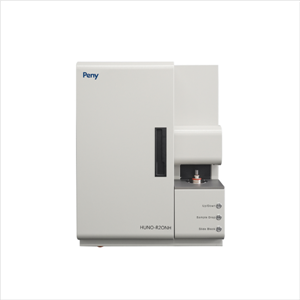
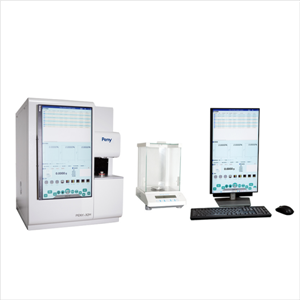
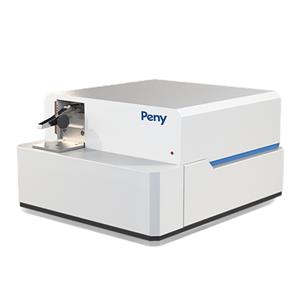
Today’s leading analyzers, such as the CS-9000 series from Peny Scientific Instruments, use a high-frequency induction furnace combined with optimized oxygen flow and a sensitive infrared detection system. The result: analysis times as low as 60–90 seconds per sample, including weighing and preparation. That’s a 3–5x improvement over older models. How is this possible? The key is in the combustion chamber design and the use of a solid-state RF generator that reaches melting temperature in seconds. Additionally, the gas flow is precisely controlled to ensure complete combustion without turbulence that could cause erratic readings.
But speed means nothing without accuracy. The CS-9000 uses a dual-range infrared detector that automatically selects the optimal range for carbon and sulfur, from ppm levels up to high percentages. This eliminates the need for manual range switching and reduces the risk of saturation errors. In a side-by-side study with a traditional analyzer, the CS-9000 showed a standard deviation of 0.0008% for carbon and 0.0005% for sulfur—well within ASTM E1019 and ISO 15350 requirements.
For labs that need even faster turnaround, the optional autoloader allows up to 20 samples to be queued and analyzed unattended. That means you can run a full batch of samples in under 30 minutes, freeing up your technicians for other tasks.
Solution 2: Enhanced Accuracy Through Advanced Detection and Calibration
Accuracy starts with sample preparation, but it’s the detection system that makes or breaks the result. Peny Scientific Instruments uses a patented infrared absorption cell with gold-coated optics to maximize signal-to-noise ratio. This allows for reliable detection of sulfur at levels as low as 0.1 ppm (depending on sample size and preparation). For carbon, the detection limit is 0.1 ppm as well. To put that in perspective, that’s like detecting a single grain of sugar in a 50-gallon drum.
But even the best detector can drift over time. That’s why the CS-9000 features an automatic calibration routine that uses a built-in reference standard. It also monitors the health of the detector and alerts the operator if recalibration is needed. This reduces the frequency of manual calibrations from daily to weekly, saving hours of labor.
Another common source of error is incomplete combustion, especially with refractory or high-alloy samples. To combat this, the CS-9000 offers a programmable combustion power profile. You can set different power levels and durations for different sample types—for example, a higher power for tungsten carbide, a lower power for aluminum. This ensures complete combustion without overheating the crucible, which can lead to inconsistent results.
Finally, the software includes a comprehensive drift correction algorithm that compensates for changes in ambient temperature and pressure. This is particularly important in labs that are not climate-controlled, where seasonal variations can affect results.
Solution 3: Robust Design and Low Maintenance for Maximum Uptime
Downtime is the enemy of productivity. The CS-9000 is designed with maintenance in mind. The combustion tube is made of high-purity alumina and can withstand over 10,000 burns before replacement. The filters are easily accessible from the front panel and can be changed in under 5 minutes. The reagent tubes for sulfur detection are self-sealing and can be swapped without tools.
But the real game-changer is the self-diagnostic system. The analyzer continuously monitors critical parameters—oxygen pressure, furnace temperature, detector signal, and gas flow—and provides real-time alerts if something is out of range. This allows operators to address issues before they cause a failure. In a 24/7 production environment, that can mean the difference between a planned 10-minute maintenance stop and an unplanned 4-hour outage.
To further reduce downtime, Peny Scientific Instruments offers a comprehensive spare parts kit and remote support. If a problem does occur, their engineers can often diagnose it remotely and guide the local technician through the fix. For critical components, they offer a 24-hour replacement guarantee in many regions.
Let’s summarize these solutions in a comparison table:
| Challenge | Traditional Analyzer | Peny Scientific CS-9000 |
|---|---|---|
| Analysis time per sample | 3–5 minutes | 60–90 seconds |
| Carbon detection limit | 10 ppm | 0.1 ppm |
| Sulfur detection limit | 2 ppm | 0.1 ppm |
| Calibration frequency | Daily | Weekly |
| Maintenance time per week | 5–10 hours | 1–2 hours |
| Uptime (typical) | 85–90% | 98%+ |
These are not just incremental improvements. They are transformative. But don’t just take our word for it. Let’s look at how real customers have benefited.
Real-World Success Stories: Data-Driven Improvements
We’ve had the privilege of working with steelmakers, foundries, and alloy producers around the world. Here are a few stories that illustrate the impact of upgrading to a modern carbon sulfur analyzer.
Case Study 1: Automotive Steel Supplier in Ohio, USA
Company: Buckeye Steel Processing (name changed for confidentiality)
Challenge: The company produces advanced high-strength steel for automotive OEMs. They were struggling with sulfur control in their ladle metallurgy furnace. Their old analyzer took 4 minutes per sample and had a detection limit of 5 ppm sulfur. They needed to achieve < 10 ppm sulfur consistently, but the analyzer’s drift made it impossible to trust the results. As a result, they were adding excessive calcium to desulfurize, which increased costs and clogged nozzles.
Solution: They installed a Peny Scientific CS-9000 with an autoloader. The analyzer’s low detection limit and automatic drift correction allowed them to measure sulfur accurately at 2–3 ppm. They also used the programmable combustion profile to handle their high-aluminum steel grades without incomplete combustion.
Results: Within three months, sulfur variability dropped by 40%. They reduced calcium consumption by 15%, saving $12,000 per month. Analysis time dropped to 75 seconds, allowing them to test every heat without delaying the caster. Scrap due to sulfur off-spec fell from 2.5% to 0.3%.
Quote: “The CS-9000 gave us the confidence to push our sulfur limits lower. We’re now supplying a grade that we couldn’t even consider before.” – Mark Reynolds, Quality Manager
Case Study 2: Stainless Steel Producer in Sheffield, UK
Company: Sheffield Alloys Ltd. (name changed)
Challenge: This specialty producer makes high-carbon stainless steel for cutlery and industrial blades. Carbon control is critical—too high, and the steel is brittle; too low, and it won’t hold an edge. Their existing analyzer had a carbon detection limit of 20 ppm and required frequent recalibration, leading to inconsistent results. They were experiencing 5% rework on heats that missed the carbon target.
Solution: They replaced their old analyzer with a CS-9000. The dual-range infrared detector allowed them to measure carbon from 0.01% to 2.5% with high precision. The automatic calibration routine reduced their calibration time from 1 hour per day to 15 minutes per week.
Results: Rework dropped from 5% to 0.8%, saving approximately £80,000 per year. The faster analysis time (70 seconds) also allowed them to increase production by 8% without adding staff.
Quote: “We used to dread carbon analysis. Now it’s just another routine check. The consistency is remarkable.” – Dr. Emily Watson, Metallurgist
Case Study 3: Iron Foundry in Ontario, Canada
Company: Great Lakes Castings (name changed)
Challenge: This foundry produces ductile iron castings for the automotive and agricultural sectors. They needed to measure carbon and sulfur in both the melt and the final castings. Their old analyzer was prone to downtime, averaging 10 hours per month of unplanned maintenance. They also struggled with sulfur analysis in the presence of high magnesium, which interfered with the combustion.
Solution: They installed a CS-9000 with a custom combustion profile for magnesium-treated samples. Peny Scientific also provided on-site training and a spare parts kit to minimize downtime.
Results: Downtime fell to less than 2 hours per month. Sulfur analysis accuracy improved by 50%, allowing them to reduce magnesium additions by 10%. Overall equipment effectiveness (OEE) in the lab improved from 75% to 92%.
Quote: “The support from Peny Scientific was outstanding. They understood our process and tailored the solution to our needs.” – Jason Miller, Foundry Manager
Case Study 4: Tool Steel Manufacturer in Bavaria, Germany
Company: Bavarian Tool Steel GmbH (name changed)
Challenge: This company produces high-alloy tool steels with strict carbon and sulfur specifications. They were using a competitor’s analyzer that required frequent replacement of expensive reagents and had a high cost per analysis. They also needed to analyze small samples (0.5 g) due to the high cost of raw materials.
Solution: They switched to the CS-9000, which features a low-volume combustion chamber optimized for small samples. The reagent consumption is 30% lower than their previous analyzer, and the crucibles are reusable after cleaning.
Results: Cost per analysis dropped by 40%. They also reduced sample preparation time by using the analyzer’s built-in weighing station. The accuracy improvement allowed them to tighten their carbon spec by 0.005%, leading to better tool performance and fewer customer complaints.
Quote: “We calculated a payback period of just 9 months. The savings in reagents alone were significant, but the quality improvements were the real win.” – Klaus Richter, Lab Director
Case Study 5: Pipeline Steel Mill in Alberta, Canada
Company: Northern Pipeline Steel (name changed)
Challenge: This mill produces high-strength pipeline steel for oil and gas. Sulfur must be kept below 0.002% to meet sour service requirements. Their old analyzer had a sulfur detection limit of 5 ppm and was not reliable at low levels. They were forced to send samples to an external lab for verification, adding 24 hours to the production cycle.
Solution: They installed a CS-9000 with a sulfur detector upgrade. The analyzer’s detection limit of 0.1 ppm and its stability allowed them to trust the results in-house. They also integrated the analyzer with their LIMS system for automatic data transfer.
Results: They eliminated external verification costs ($50,000 per year) and reduced the production cycle by 24 hours. Sulfur compliance improved to 100%, and they won a new contract for a critical pipeline project.
Quote: “The CS-9000 is now our gatekeeper for sulfur. We don’t ship a heat without its stamp of approval.” – Sarah Thompson, Quality Assurance Manager
These stories are just a snapshot. Across North America, Europe, and Asia, companies are discovering that investing in a high-performance carbon sulfur analyzer is not an expense—it’s a competitive advantage.
Applications and Partnerships: Trusted Across Industries
The CS-9000 and other analyzers from Peny Scientific Instruments are used in a wide range of applications beyond steel and foundries. Here are some key areas:
- Automotive: Engine blocks, transmission gears, and exhaust systems require precise carbon and sulfur control for strength, machinability, and emissions compliance.
- Aerospace: Superalloys and titanium alloys demand ultra-low sulfur to prevent fatigue cracking. The CS-9000’s low detection limit is critical here.
- Energy: Pipeline steels, power plant components, and oil country tubular goods (OCTG) must meet stringent sulfur specs for sour service.
- Rail: Rail steels require high carbon for wear resistance and low sulfur for weldability.
- Research: Universities and national labs use the CS-9000 for developing new alloys and studying trace element effects.
Peny Scientific Instruments has established partnerships with leading equipment distributors and service providers in over 30 countries. In North America, they work closely with Steel Lab Solutions Inc. to provide local support and application expertise. In Europe, they partner with Metallurgical Services GmbH to offer calibration and training. These partnerships ensure that customers receive not just a product, but a complete solution—from installation to ongoing support.
Moreover, Peny Scientific Instruments collaborates with standards organizations such as ASTM and ISO to ensure their analyzers comply with the latest methods. Their analyzers are used in inter-laboratory studies to validate new standards, further demonstrating their accuracy and reliability.
Frequently Asked Questions from Engineers and Procurement
We’ve gathered the most common questions we hear from engineers and procurement managers. Here are answers with technical depth.
Q1: What is the typical analysis time for carbon and sulfur, and how does it compare to other methods?
A: The CS-9000 typically completes an analysis in 60–90 seconds, including sample weighing and preparation. This is significantly faster than traditional combustion analyzers (3–5 minutes) and much faster than wet chemistry methods (30+ minutes). The speed is achieved through a high-frequency induction furnace that melts the sample in seconds, combined with a fast-response infrared detector and optimized gas flow. For labs that need even higher throughput, the autoloader can handle up to 20 samples unattended, reducing per-sample time to under 30 seconds.
Q2: How do you ensure accuracy at low ppm levels for sulfur?
A: Accuracy at low levels depends on three factors: sample preparation, combustion completeness, and detection sensitivity. The CS-9000 addresses these with: (1) a dedicated low-sulfur crucible and a sample preparation kit to prevent contamination; (2) a programmable combustion profile that ensures complete combustion even for difficult samples; and (3) a gold-coated infrared cell with a long path length that provides high signal-to-noise ratio. Additionally, the analyzer uses a drift correction algorithm that compensates for ambient changes. We recommend using certified reference materials (CRMs) at the low ppm level for calibration, such as NIST 1265a (0.002% sulfur). With proper setup, the CS-9000 can reliably measure sulfur down to 0.1 ppm.
Q3: What maintenance is required, and how does it affect uptime?
A: Maintenance is minimal compared to traditional analyzers. Daily tasks: check oxygen pressure and reagent levels (5 minutes). Weekly: run a calibration check (15 minutes). Monthly: replace filters and clean combustion tube (30 minutes). Annually: replace the combustion tube and detector window (2 hours). The self-diagnostic system alerts you when maintenance is due, so you’re never caught off guard. In practice, our customers report uptime of 98% or higher, with less than 2 hours of maintenance per week. The modular design allows quick replacement of components, often in under 10 minutes.
Q4: Can the analyzer handle a wide range of sample types, including powders, chips, and solid pieces?
A: Yes. The CS-9000 is designed for versatility. It accepts solid samples (drillings, chips, pins) up to 1 gram, as well as powders and filings. For powders, we recommend using a tin capsule or a ceramic crucible to contain the sample. The combustion chamber is large enough to accommodate various crucible sizes. The programmable power profile allows you to adjust the combustion energy for different materials—for example, a higher power for tungsten carbide, a lower power for aluminum. We also offer a range of certified reference materials and consumables tailored to specific sample types.
Q5: What is the cost of ownership, and how does it compare to other brands?
A: The total cost of ownership includes purchase price, consumables, maintenance, and downtime. While the CS-9000 may have a slightly higher upfront cost than some competitors, it typically pays for itself within 6–12 months through lower reagent consumption, reduced maintenance, and higher uptime. For example, reagent costs are 30% lower than typical combustion analyzers because of the efficient combustion design. Maintenance costs are also lower due to the robust components and self-diagnostics. And the 98% uptime translates to thousands of dollars in avoided downtime. We provide a detailed cost-benefit analysis during the sales process, so you can see the ROI for your specific operation.
Conclusion: Take the Next Step Toward Precision
Your carbon sulfur analyzer is not just a piece of equipment—it’s a strategic asset. It determines whether you meet specifications, whether you deliver on time, and whether you stay competitive. If your current analyzer is slow, inaccurate, or high-maintenance, you’re leaving money on the table. The CS-9000 from Peny Scientific Instruments (Nantong) Co., Ltd. represents the next generation of combustion analysis: faster, more accurate, and more reliable. With real-world results from customers around the world, it’s proven to solve the pain points that keep engineers up at night.
So, can your carbon sulfur analyzer keep up with modern steel? If not, it’s time to upgrade. To learn more about the CS-9000 and how it can transform your lab, we invite you to download our comprehensive technical white paper. It includes detailed specifications, method comparisons, and case studies. Or, if you prefer a conversation, our sales engineers are ready to discuss your specific application and provide a personalized demonstration. Contact us today to schedule a consultation. Don’t let an outdated analyzer hold your production back. Precision is just a step away.